Peak Natural Compounds and Men's Well-being After 40
Comprehensive informational review of natural elements and lifestyle factors
Understanding Later Adulthood
As men reach their 40s and beyond, understanding general physiological variations becomes important for informed lifestyle decisions. This educational resource provides factual information about natural compounds, trace elements found in alpine botanicals, and universal lifestyle factors that contribute to overall well-being. All information presented is for general knowledge purposes only and does not constitute medical advice or recommendations.
Educational content only. No promises of outcomes.
Vital Trace Elements
Natural compounds contain various trace elements that appear in botanical sources and everyday nutrition. Below is factual information on four important elements found in alpine plants.
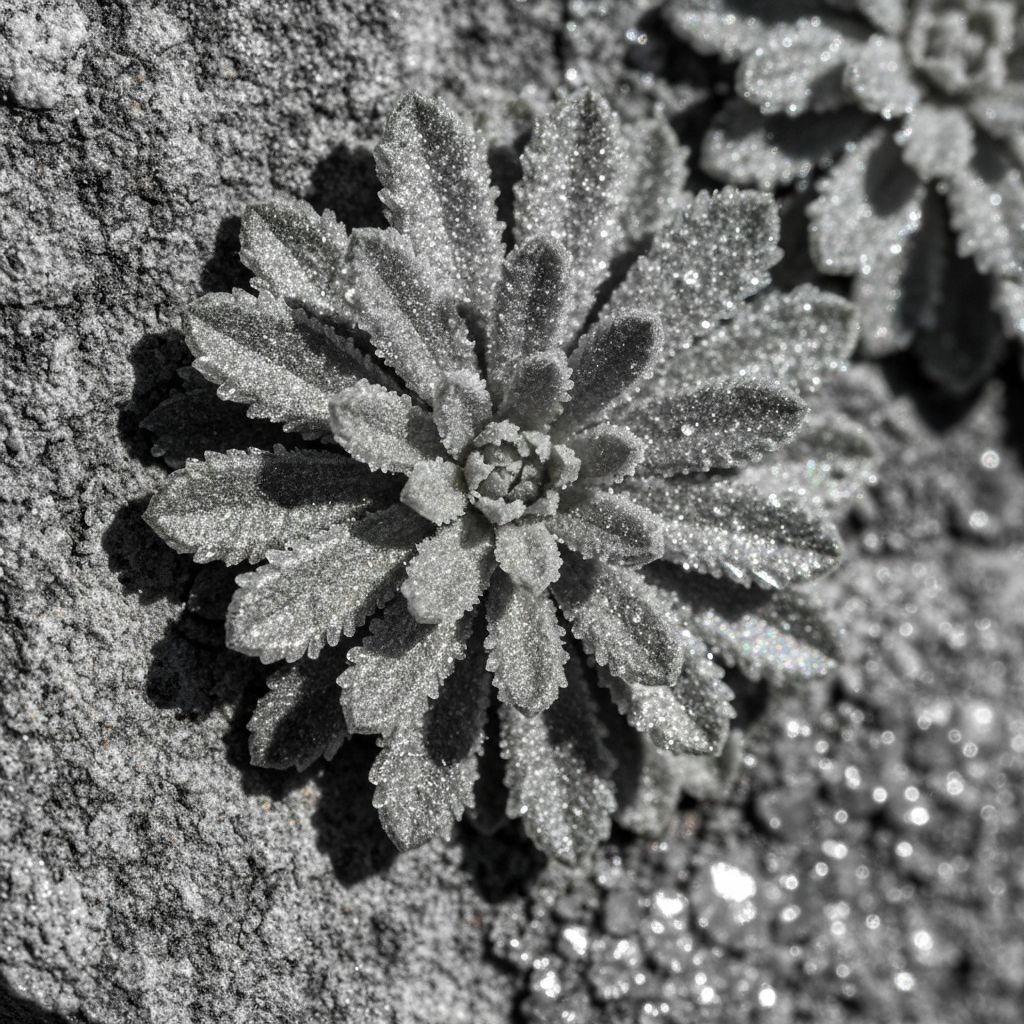
Silicon
Silicon is a trace element found abundantly in plant tissues, particularly in grasses and certain alpine herbs. It plays a structural role in plant biology and appears in various mineral-rich botanical sources.
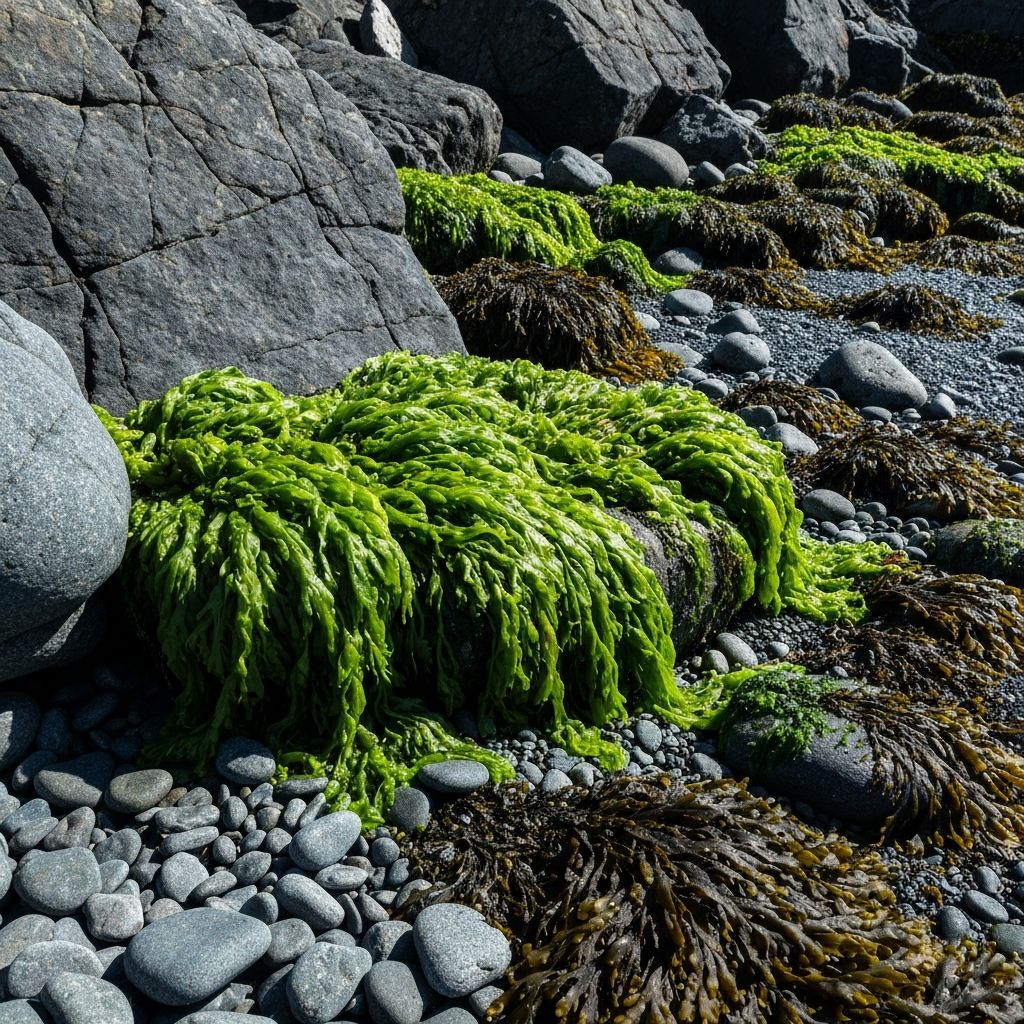
Iodine
Iodine is naturally present in certain plants, particularly those grown in mineral-rich soil. Alpine vegetation and coastal mountain plants contain varying amounts depending on soil composition and growing conditions.
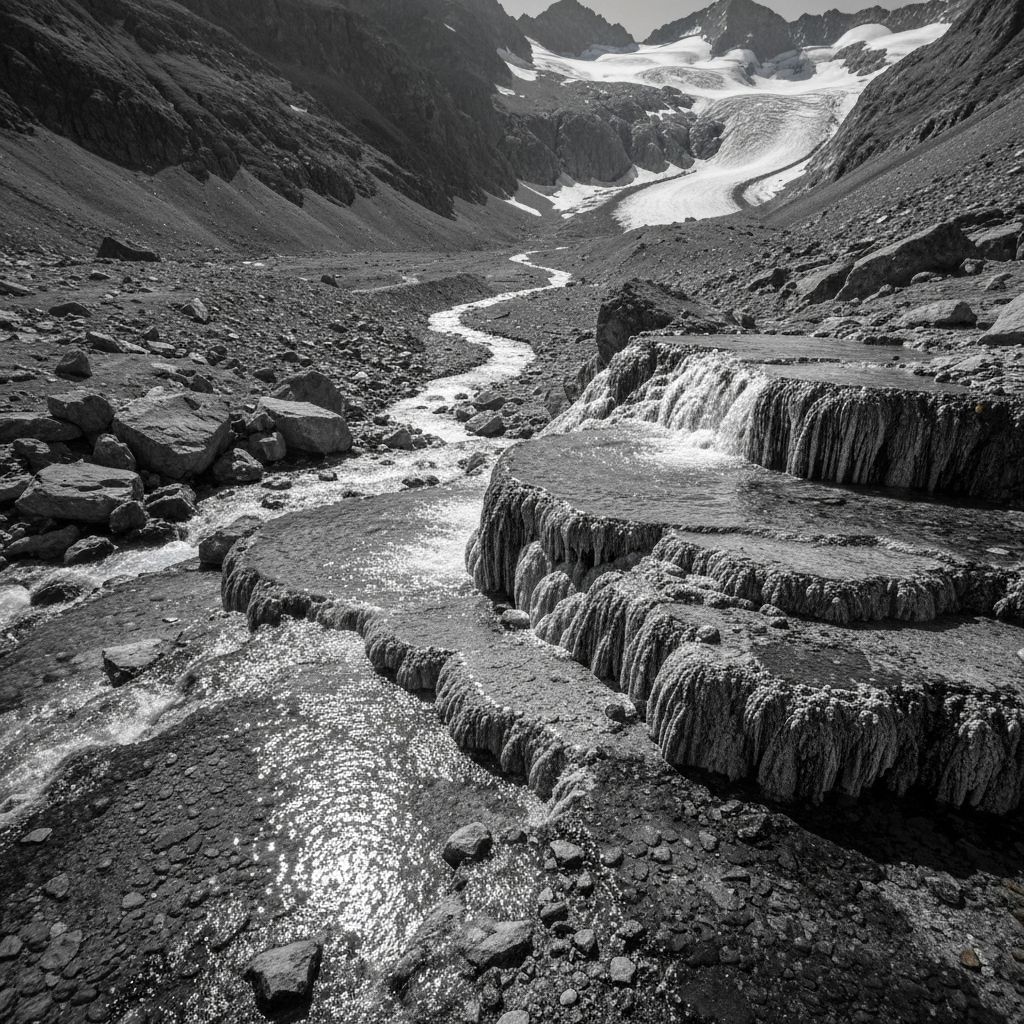
Lithium
Lithium is a naturally occurring mineral found in rocks, mineral springs, and certain plants in trace amounts. It appears in various geological formations and alpine mineral-rich environments throughout Europe.
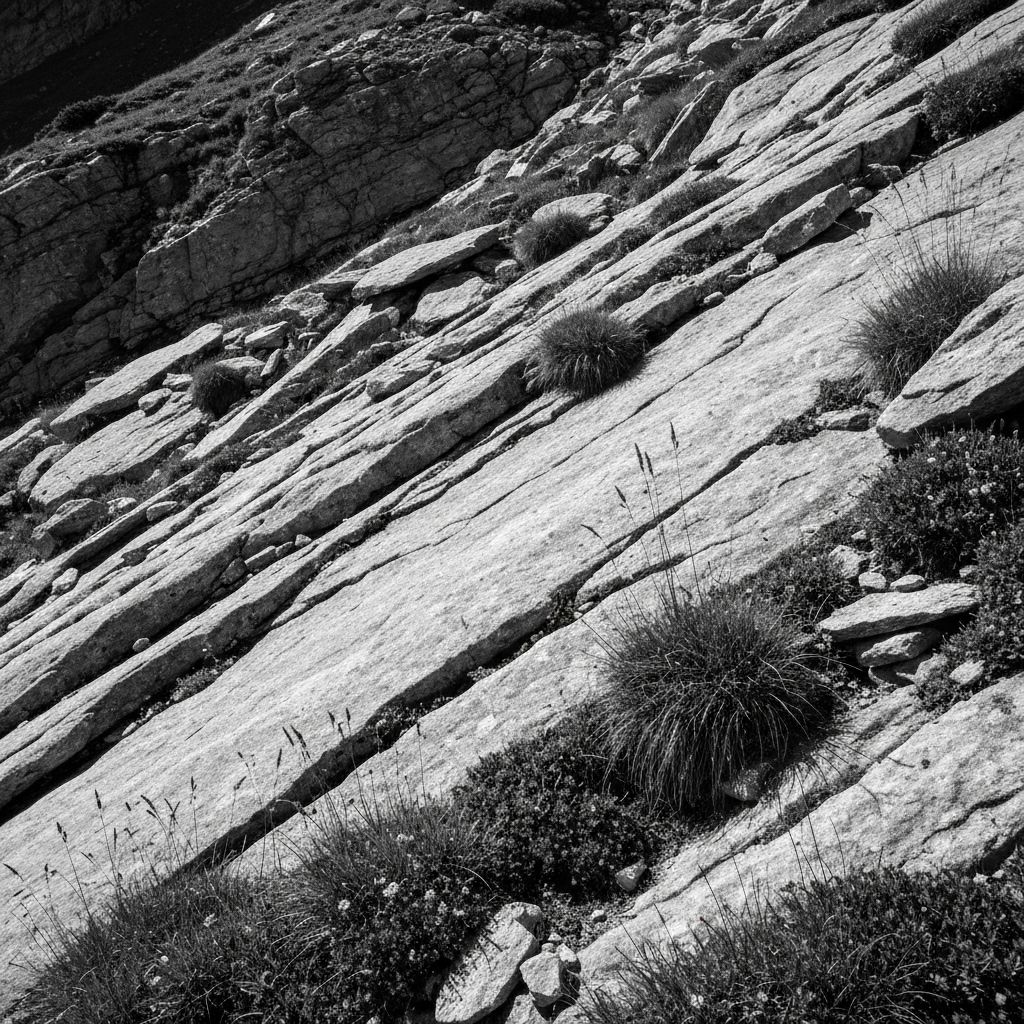
Strontium
Strontium is a mineral element present in soil and certain plant species. Alpine plants growing in mineral-rich regions naturally accumulate trace amounts of strontium from their environment.
Peak Alpine Plant Heritage
Austria's alpine regions have a rich history of botanical knowledge and plant traditions spanning centuries.
Historical Alpine Traditions
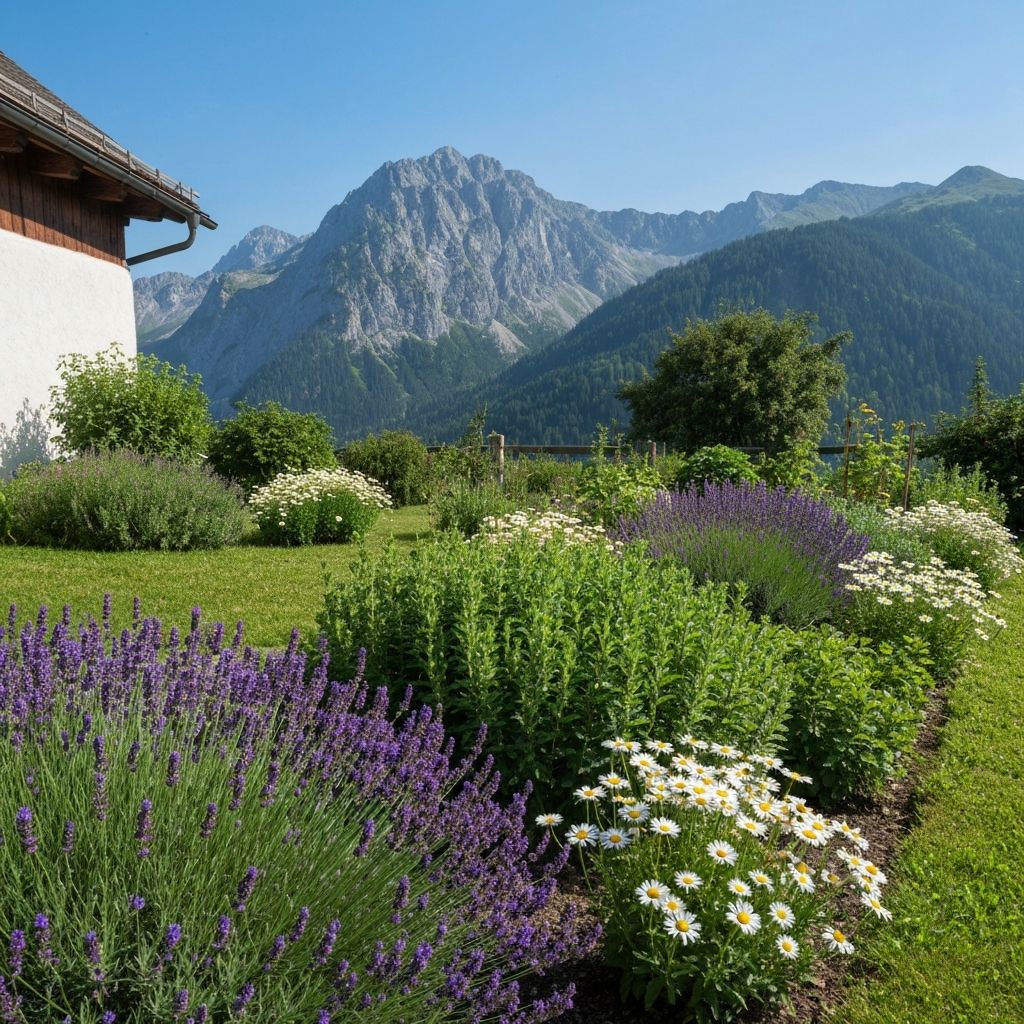
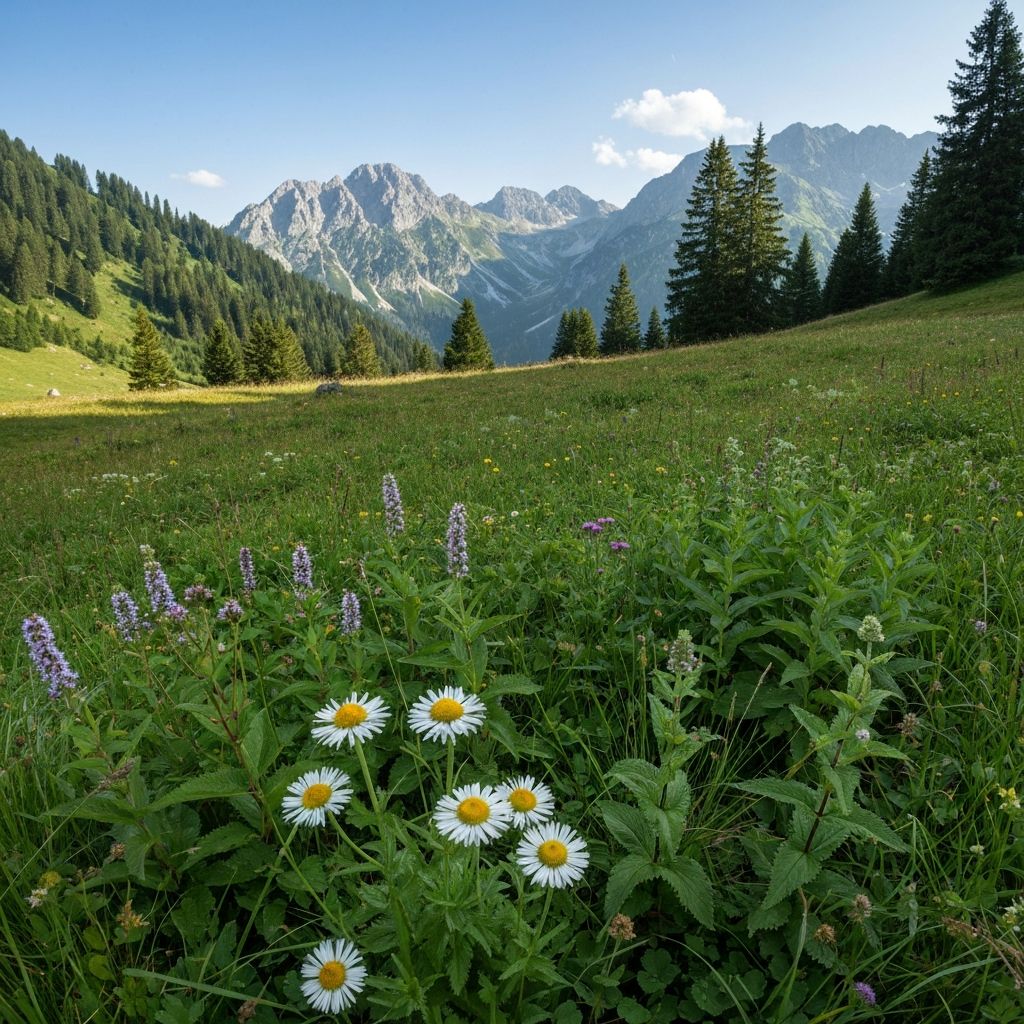
The Austrian Alps have been home to distinctive plant species for thousands of years. Local populations developed knowledge about high-elevation herbs and their characteristics through cultural traditions passed down across generations.
Alpine botanicals were historically used in various cultural practices and traditional preparations. These mountain plants adapted to extreme conditions, developing unique properties that made them notable in European botanical knowledge.
Botanical Knowledge and Context
Austrian alpine communities developed comprehensive understanding of local plant species. This knowledge encompasses information about plant characteristics, growing conditions, and traditional uses in various cultural contexts.
Modern scientific documentation validates many traditional observations about alpine plants. The study of high-altitude flora continues to provide insights into plant adaptation, composition, and the role of environmental factors in botanical development.
Rest Cycle Fundamentals
Natural sleep architecture is a universal biological process essential for human health.
Understanding Sleep Architecture
Sleep is a natural biological process characterized by distinct cycles and stages. Each night, the human body progresses through multiple sleep cycles, each lasting approximately 90 minutes, consisting of both rapid eye movement (REM) and non-REM stages.
Quality rest is universally recognized as fundamental to overall well-being. During sleep, the body engages in essential restoration processes, memory consolidation, and hormonal regulation. Adequate sleep duration and consistent sleep patterns contribute significantly to daily function and long-term health.
Factors affecting sleep quality include environmental conditions, daily activity levels, meal timing, and consistent sleep schedules. Understanding these universal factors helps explain why sleep hygiene is important across all age groups.
Elevated Terrain Activity
Movement and Mountain Trails
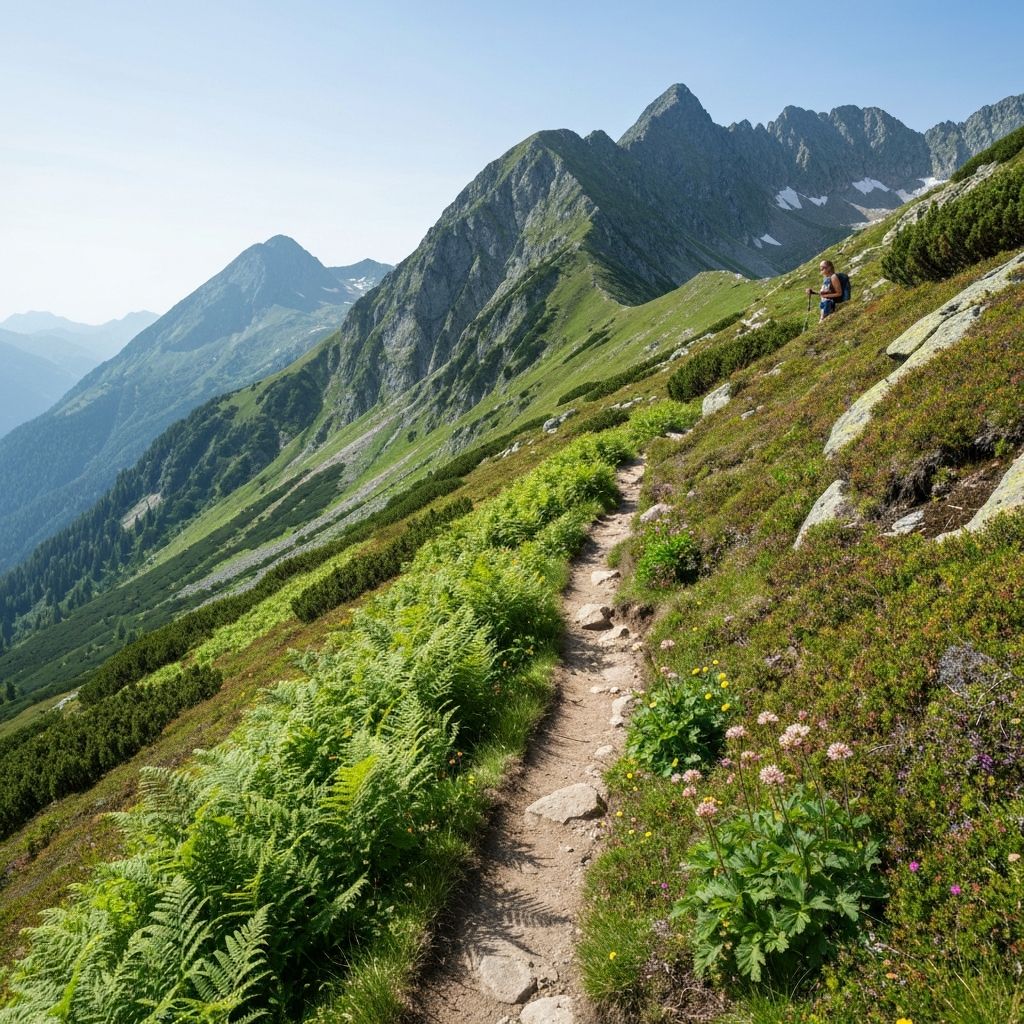
Light physical activity on mountain terrain provides natural movement variation. Alpine hiking and trail walking engage multiple muscle groups while exposing the body to natural environmental conditions and altitude changes.
Mountain environments offer unique physical activity opportunities characterized by varying terrain difficulty, natural inclines, and environmental factors. Regular engagement with mountainous landscapes provides cardiovascular stimulation and strengthens stabilizing muscles.
The universal benefits of regular movement include improved cardiovascular function, enhanced muscular strength, and better overall physiological resilience. Altitude exposure in mountain environments stimulates various adaptive responses in the body.
Plant Sterol Families
Plant sterols are naturally occurring compounds found throughout botanical sources.

Understanding Plant Sterols
Phytosterols, or plant sterols, are steroid alcohols naturally present in plant cell membranes. These compounds are structurally similar to cholesterol and appear throughout the plant kingdom in varying concentrations.
Common types of plant sterols include β-sitosterol, campesterol, and brassicasterol. These compounds serve structural and regulatory functions within plants and are present in seeds, nuts, vegetable oils, and leafy greens.
Sources and Distribution
Plant sterols appear naturally in diverse botanical sources including grains, legumes, seeds, and nuts. Alpine plants, like many botanical species, contain these compounds as part of their cellular composition.
The concentration of plant sterols varies significantly based on plant species, growing conditions, soil composition, and environmental factors. Scientific literature documents these variations across different plant families and geographical regions.
Nutrient Variety Comparison
| Nutrient Category | Plant-Focused Sources | Processed Sources | Diversity Factor |
|---|---|---|---|
| Trace Elements | Varied, soil-dependent | Standardized, often fortified | Higher variation in plant sources |
| Phytonutrients | Rich and diverse | Often reduced or removed | Much greater in whole plants |
| Fiber Content | Naturally abundant | Often stripped during processing | Significantly higher in plants |
| Mineral Content | Complex mineral profiles | Selected minerals added | Greater complexity in plant sources |
| Bioavailability | Multiple forms present | Single forms typically | Natural diversity aids utilization |
This informational comparison illustrates the difference between diverse, naturally occurring nutrient profiles found in plant-based diets versus standardized compositions of processed foods.
Notable Summit Botanicals
Alpine plants have distinct characteristics documented in botanical literature.
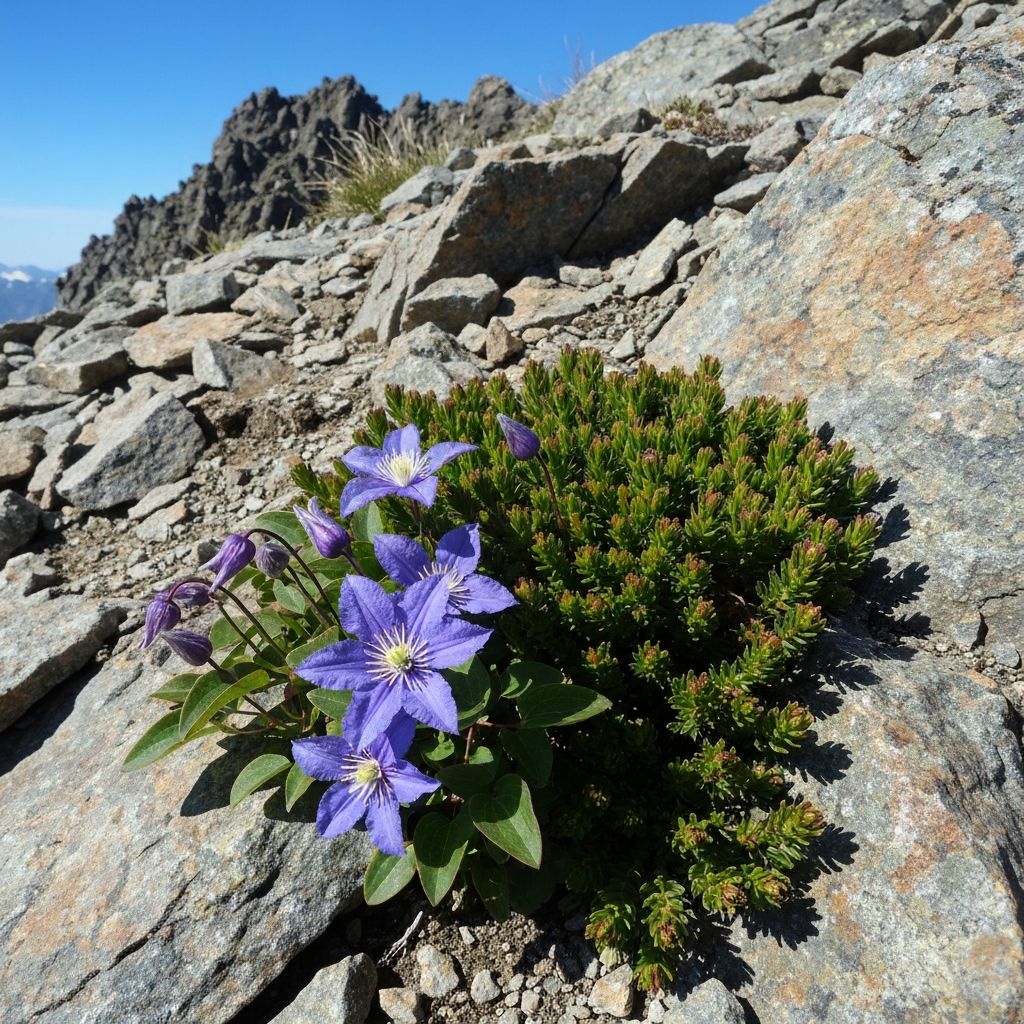
Alpine Clematis & Dryas
Alpine clematis is a delicate flowering plant found at high elevations throughout the Alps. Dryas, a dwarf shrub species, grows on rocky summit terrain and is notable for its adaptation to extreme alpine conditions and sparse soil.
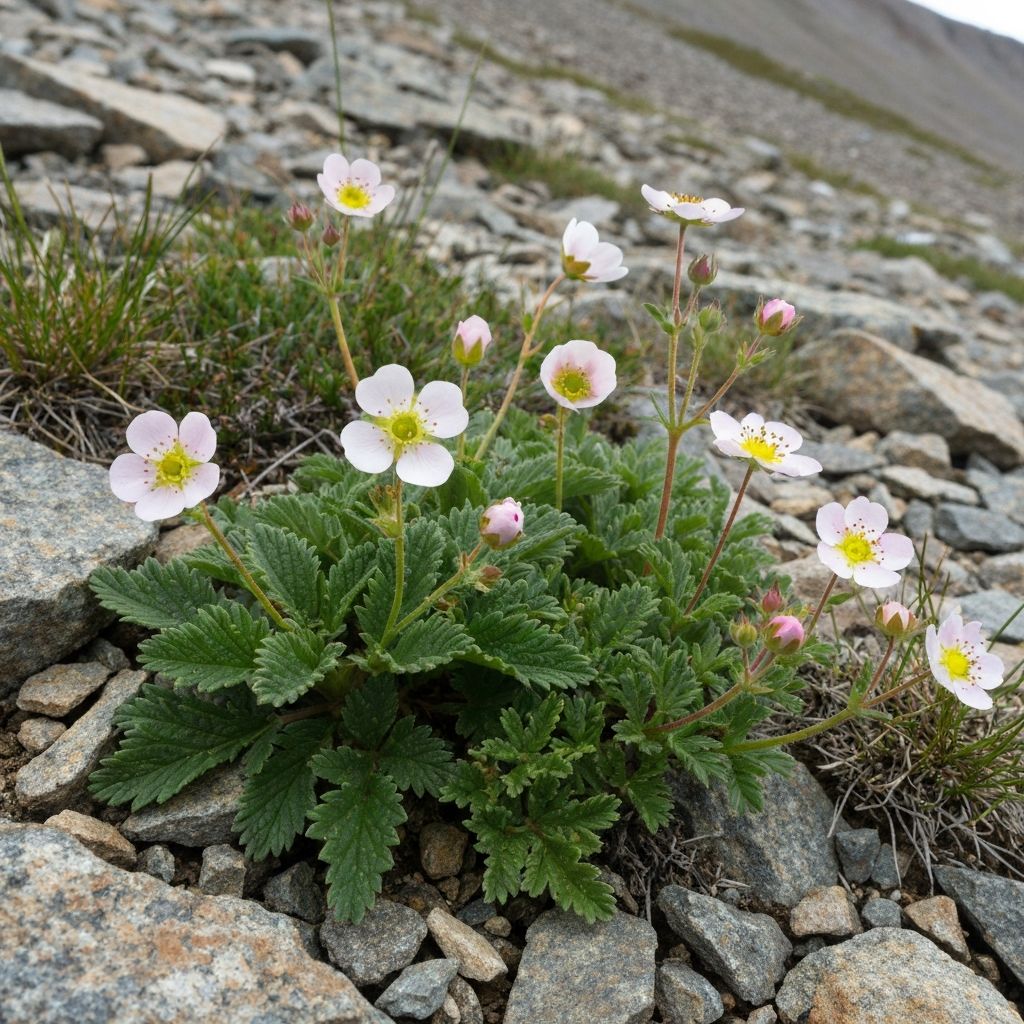
Soldanella & Potentilla
Soldanella is a small alpine flower recognized for its distinctive bell-shaped blooms appearing at high altitudes. Potentilla varieties are hardy alpines known for their ability to thrive in rocky, nutrient-poor environments characteristic of mountain peaks.
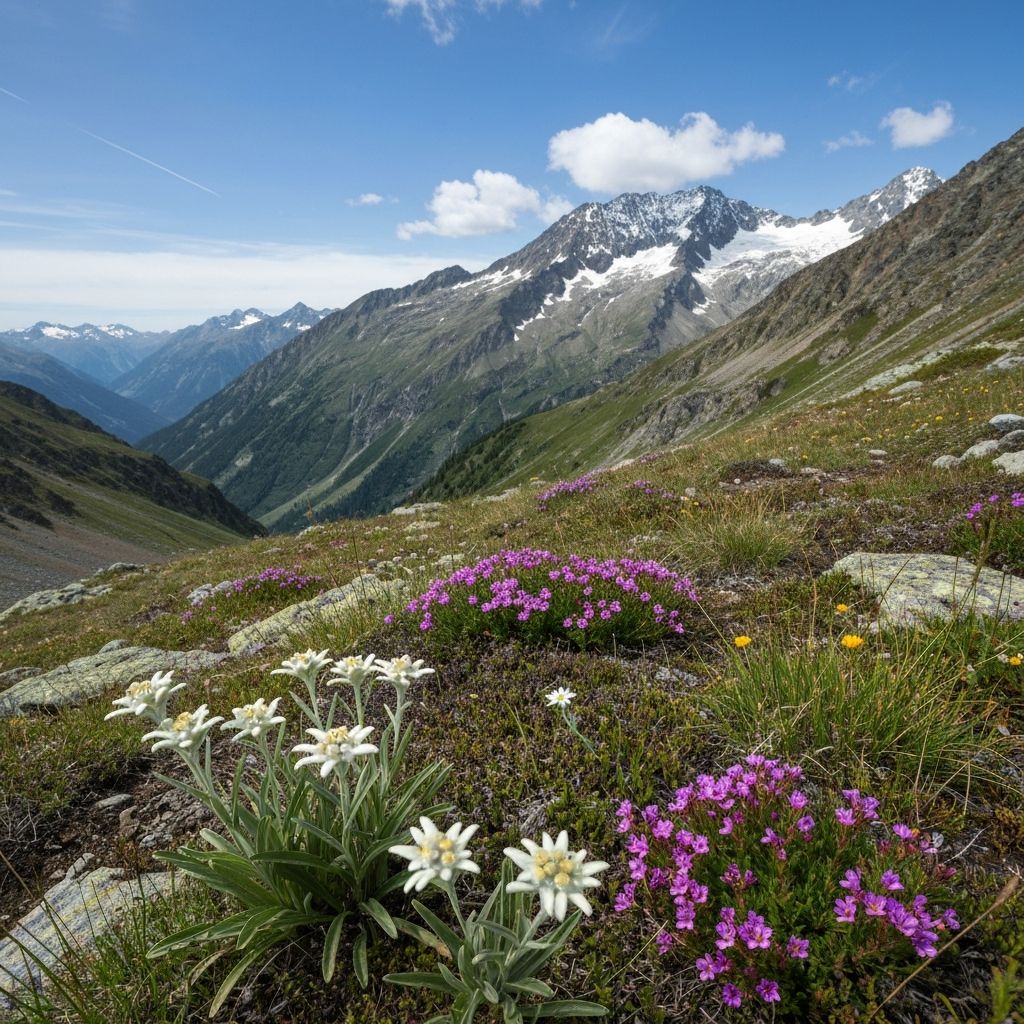
Alpine Flora Adaptation
Summit botanicals demonstrate remarkable adaptation to extreme conditions including temperature variations, high UV exposure, and limited growing seasons. These adaptations result in distinctive plant characteristics and compositional profiles different from lowland botanical species.
High-Altitude Infusions
Traditional Preparation Methods
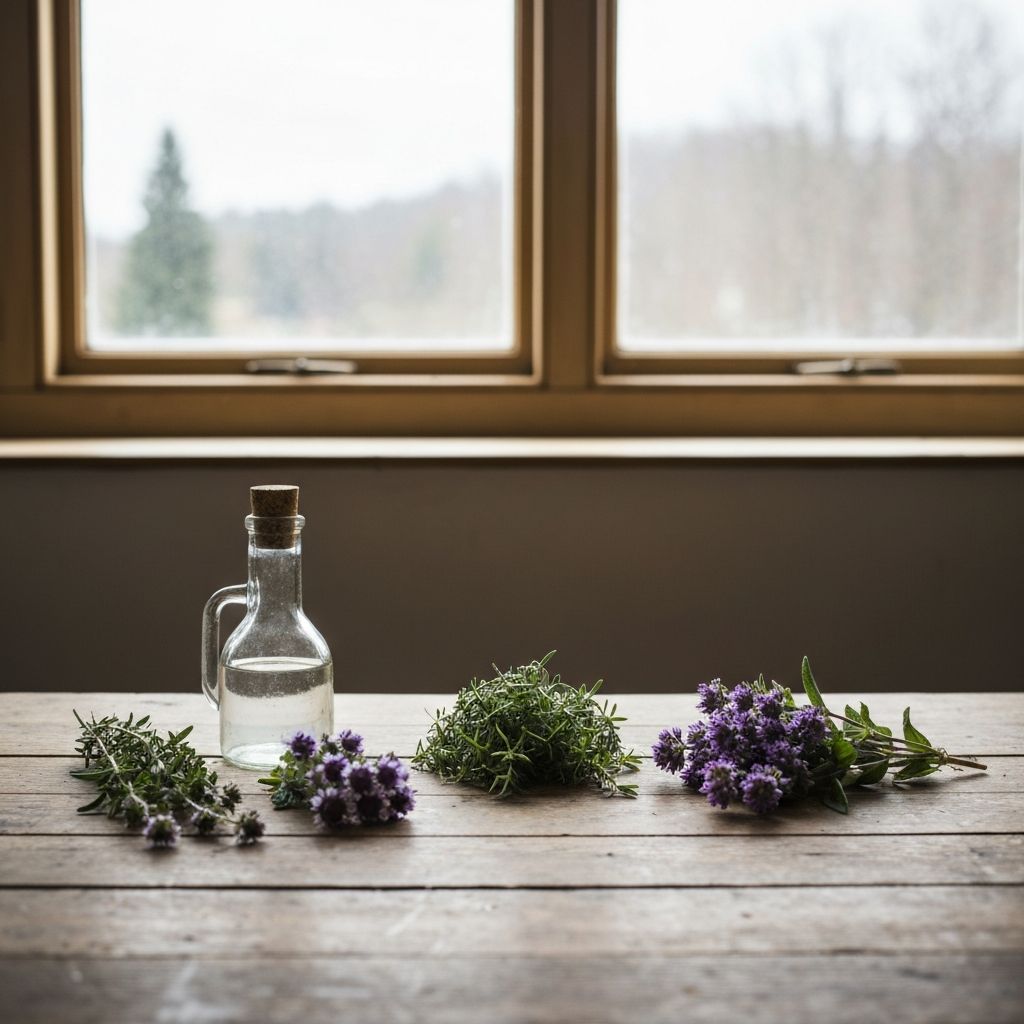
Alpine communities developed traditional methods for preparing beverages from peak plants. These preparations often involved steeping, brewing, or infusing dried plant materials in hot water, a practice documented across many European alpine regions.
Herbal infusions represent a traditional means of extracting botanical compounds. The practice reflects cultural knowledge developed over centuries regarding which plants to use, preparation methods, temperature, and duration of infusion for optimal extraction.
Traditional alpine beverage preparations continue today as both cultural practices and informational examples of how various botanical species were historically utilized across different communities.
Organism Daily Response
The human body exhibits natural adaptive responses to routine conditions and environmental factors.
Homeostasis is the body's fundamental biological principle of maintaining stable internal conditions despite external changes. This process involves numerous physiological systems working in coordination to regulate temperature, pH, fluid balance, and nutrient levels.
Daily routines, including regular sleep-wake cycles, consistent meal timing, and habitual physical activity, influence how the body's systems respond and adapt. The body demonstrates remarkable capacity to adjust to predictable patterns, establishing circadian rhythms and metabolic patterns based on consistency.
Environmental factors such as light exposure, temperature variations, and seasonal changes trigger adaptive responses in human physiology. These adaptations are universal across populations and represent normal biological functioning in response to environmental stimuli.
Understanding these fundamental adaptive processes provides context for why lifestyle consistency—including regular sleep, nutrition, movement, and environmental exposure—contributes to overall health and well-being across all age groups.
Alpine Peak Seasonality
High-altitude environments exhibit distinct seasonal vegetation patterns.
Alpine ecosystems are characterized by dramatic seasonal variations influenced by temperature, daylight duration, and precipitation patterns. These factors create distinct growing seasons lasting only a few months at high elevations.
Alpine plants demonstrate remarkable phenological adaptations—timed biological events synchronized with seasonal cues. Spring snowmelt triggers germination and growth, while rapidly shortening daylight signals preparation for dormancy as temperatures decline.
Peak bloom periods in alpine meadows occur during summer months when conditions permit rapid growth and reproduction. This compressed growing season results in concentrated flowering, making alpine environments visually striking during their brief active periods.
Understanding alpine seasonality provides context for why these plants develop distinctive adaptations and why the timing of plant development differs so dramatically from lowland species. Seasonal patterns drive the botanical diversity that characterizes mountain ecosystems.
Frequent Peak Notions Clarified
Distinguishing factual information from common assumptions.
- Assumption: Natural compounds automatically provide specific health outcomes. Fact: Natural does not guarantee effectiveness. Individual responses to any substance vary significantly based on genetics, existing health conditions, medications, and lifestyle factors.
- Assumption: Higher concentration of nutrients always means better results. Fact: Optimal nutrient levels vary individually. Excessive amounts of some compounds can be counterproductive or harmful.
- Assumption: Traditional use equals modern clinical effectiveness. Fact: Historical use documents cultural practices but does not confirm modern medical efficacy without scientific validation.
- Assumption: Alpine plants are inherently superior to other botanical sources. Fact: Alpine plants have specific adaptations to their environment. Different plants from different regions offer diverse nutritional profiles without clear superiority.
- Assumption: All men after 40 experience identical physiological changes. Fact: Aging varies dramatically between individuals based on genetics, lifestyle, health history, and numerous other factors.
- Assumption: One solution addresses all aspects of well-being. Fact: Comprehensive well-being results from multiple interacting factors including nutrition, sleep, movement, stress management, social connection, and individual genetic predisposition.
Explore Additional Informative Sections
Discover more comprehensive information about natural compounds, men's well-being after 40, frequently asked questions, and contact us for informational inquiries.
Explore Information