Well-being for Men After 40
Informational guide on lifestyle factors and natural approaches
Understanding the 40+ Years
As men reach their 40s and progress into later adulthood, understanding general well-being factors becomes increasingly relevant. This informational guide explores lifestyle dimensions—including nutrition, physical activity, and rest—that contribute to overall health and resilience at any age. All information is presented for educational purposes and does not constitute personal medical advice.
Educational content only. No promises of outcomes.
Nutritional Foundations

Diverse Plant-Based Nutrition
Nutritional well-being in men after 40 fundamentally depends on dietary diversity. A varied diet incorporating vegetables, fruits, whole grains, legumes, nuts, and seeds provides comprehensive nutrient profiles including vitamins, minerals, fiber, and phytonutrients.
Plant-based foods naturally contain diverse trace elements including silicon, iodine, lithium, and strontium—minerals whose concentrations vary based on soil composition where plants grow. This natural variation contributes to nutrient complexity.
Whole foods retain nutrient density and bioavailability that processed alternatives often lack. The principle of "eating the rainbow" ensures exposure to diverse phytonutrients with complementary biological activities.
Mineral and Trace Element Presence
Key minerals supporting various physiological functions appear naturally in plant foods. These include:
- Magnesium and calcium for bone and muscle function
- Iron and copper for blood oxygen transport
- Zinc and selenium for immune function
- Trace elements supporting metabolic processes
Physical Activity and Movement
Regular Physical Activity
Consistent physical activity contributes significantly to well-being across all age groups. For men after 40, regular movement provides multiple benefits including cardiovascular health, muscular strength, bone density maintenance, and metabolic function.
Exercise types complement each other for comprehensive benefit:
- Aerobic activity: Walking, hiking, cycling, swimming—improving cardiovascular function
- Resistance training: Building and maintaining muscle mass and bone strength
- Flexibility work: Maintaining mobility and preventing injury
- Balance exercises: Improving stability and coordination
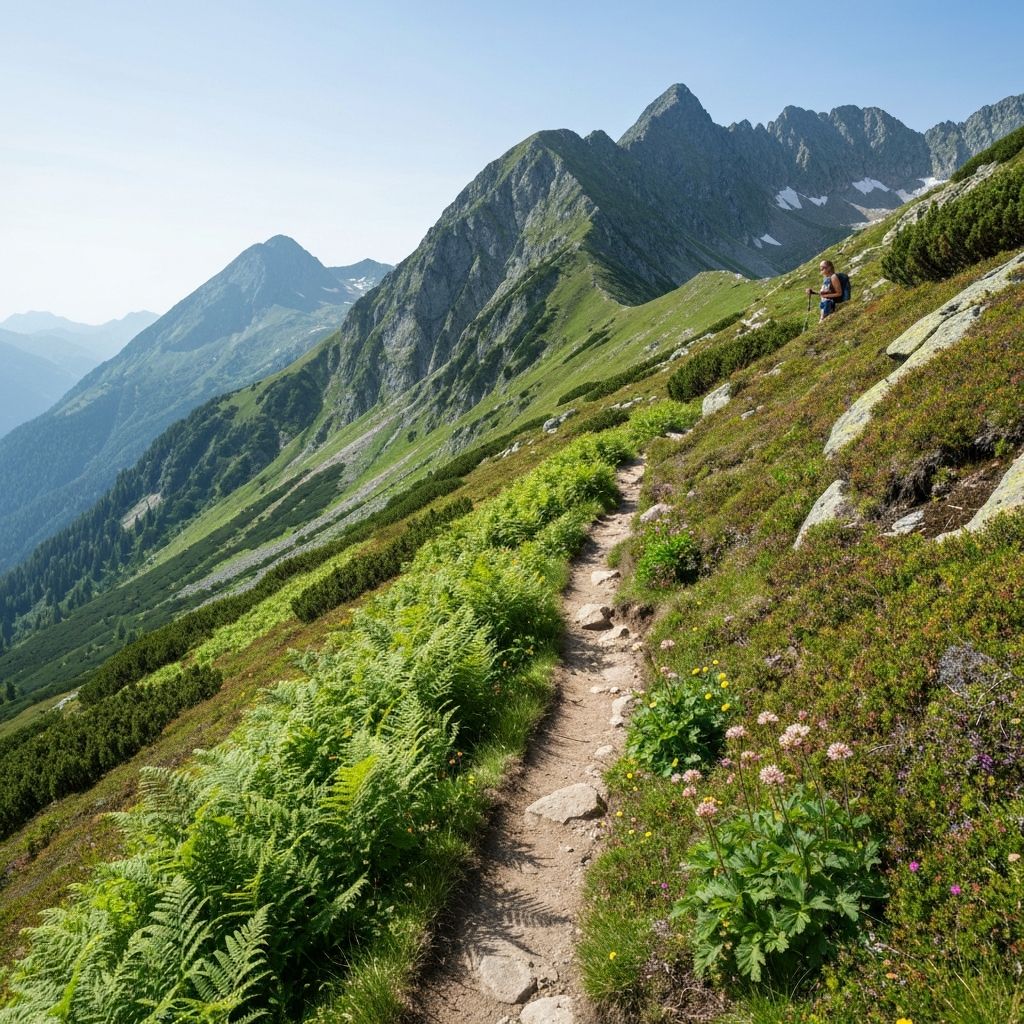
Mountain environments provide natural movement variation through terrain changes and altitude exposure. Regular hiking combines aerobic activity with resistance training and environmental engagement.
Consistency matters more than intensity. Regular moderate activity produces better long-term results than sporadic intense exercise. Ideally, aim for 150 minutes of moderate-intensity aerobic activity weekly, combined with resistance training two days per week.
Sleep and Rest Cycle

Quality Sleep Architecture
Quality sleep becomes increasingly important for well-being as men age. Sleep serves critical functions including memory consolidation, hormone regulation, immune system restoration, and cellular repair.
Adults require 7-9 hours of quality sleep nightly for optimal function. Sleep architecture consists of distinct stages progressing through multiple 90-minute cycles throughout the night.
Factors supporting sleep quality:
- Consistent sleep schedule—same bedtime and wake time daily
- Cool, dark, quiet sleep environment
- Limiting screen exposure 1-2 hours before sleep
- Avoiding caffeine after midday
- Regular physical activity (but not close to bedtime)
- Stress management and relaxation practices
- Limited alcohol, particularly close to bedtime
Recovery and Restoration
Beyond sleep, broader recovery practices support well-being. These include stress management, adequate hydration, regular movement breaks during sedentary work, and relaxation techniques like meditation or deep breathing.
Stress Management and Mental Well-being
Psychological well-being plays a significant role in overall health for men at any age.
Nature Connection
Regular time in natural environments, particularly mountains, reduces stress hormones, improves mood, and provides perspective. Alpine environments offer particular benefits through combination of physical activity and natural beauty.
Social Connection
Strong social relationships and community engagement significantly impact well-being. Maintaining friendships, family connections, and community involvement provides emotional support and life satisfaction.
Purposeful Activity
Engagement in meaningful activities—whether work, hobbies, volunteering, or creative pursuits—provides psychological satisfaction and maintains cognitive vitality as men age.
Mindfulness Practices
Meditation, deep breathing, and mindfulness-based approaches reduce stress, improve emotional regulation, and support overall psychological resilience.
Hydration and Overall Health
Adequate hydration supports every biological system. Water participates in nutrient transport, temperature regulation, joint lubrication, and organ function. Dehydration impairs cognitive function, physical performance, and overall well-being.
General recommendations suggest 8-10 glasses of water daily, adjusted for climate, activity level, and individual factors. Thirst remains a reliable indicator of hydration needs in most individuals.
Integration and Consistency
Well-being results from integrated lifestyle factors working synergistically over time.
- No single factor alone determines well-being; comprehensive approaches succeed better than isolated changes
- Consistency matters more than perfection; sustainable moderate efforts outperform sporadic extreme measures
- Individual response varies dramatically; what benefits one person may not similarly affect another
- Aging progresses differently across individuals based on genetics, lifestyle history, and current choices
- Comprehensive well-being includes physical, mental, social, and purposeful dimensions
- Regular assessment and adjustment of lifestyle approaches maintains effectiveness over time
Have Questions?
Check our FAQ for common questions about natural compounds, well-being factors, and informational topics.
Read FAQ